
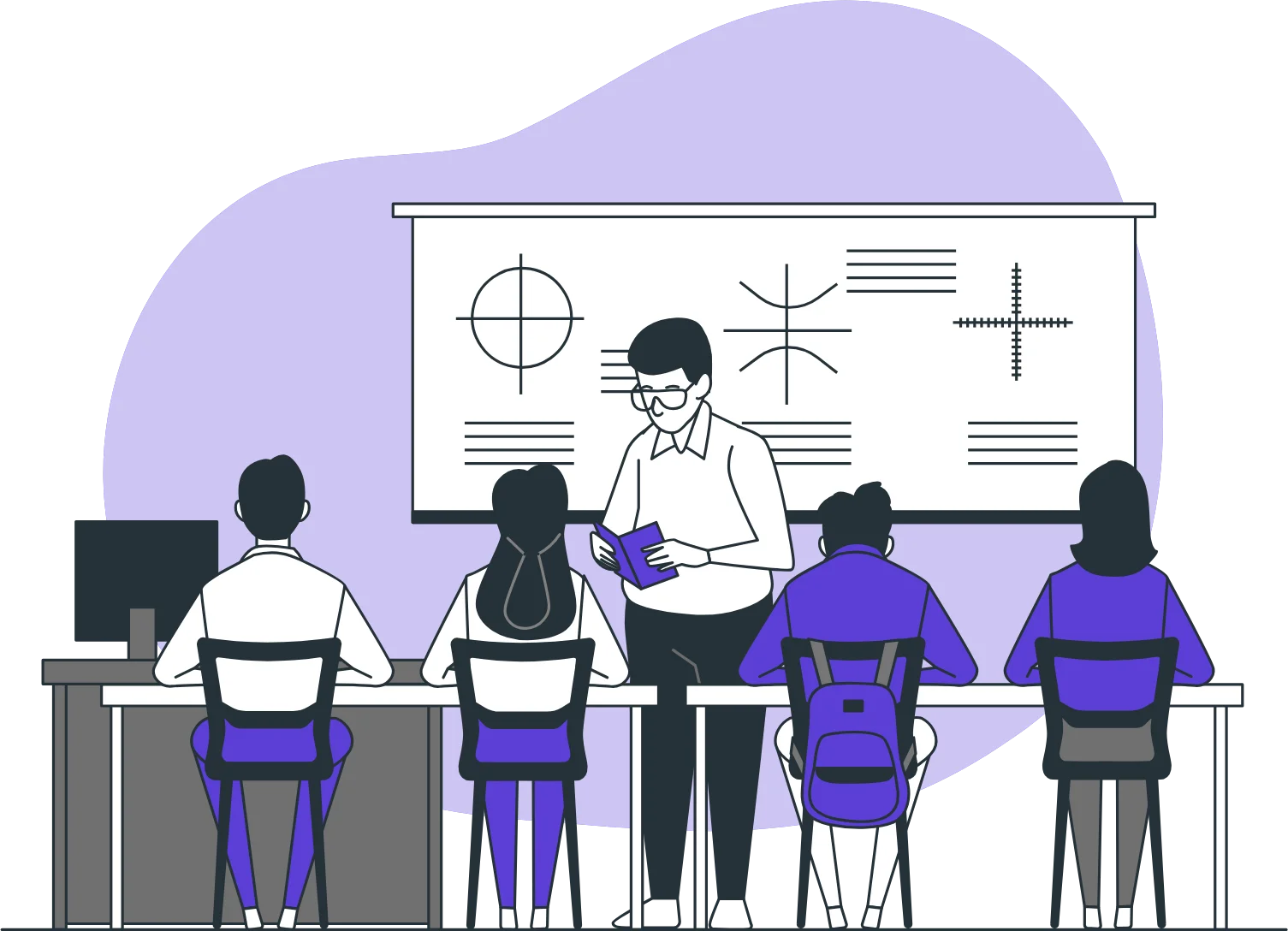
Each course alternates short input, exercises and role-plays. Groups stay small so everyone practises, always on your real cases.
Management and leadership
Leading a team, helping it through change, running meetings that decide.
Managing for the first time
From teammate to manager without losing your footing: set your role, delegate, give feedback.
Leading change
A reorganisation, a new tool, a move: win people over rather than push them.
Running effective meetings
Fewer, shorter meetings that end with a decision.
Digital tools
Everyday tools, better mastered: spreadsheets, collaborative work, security.
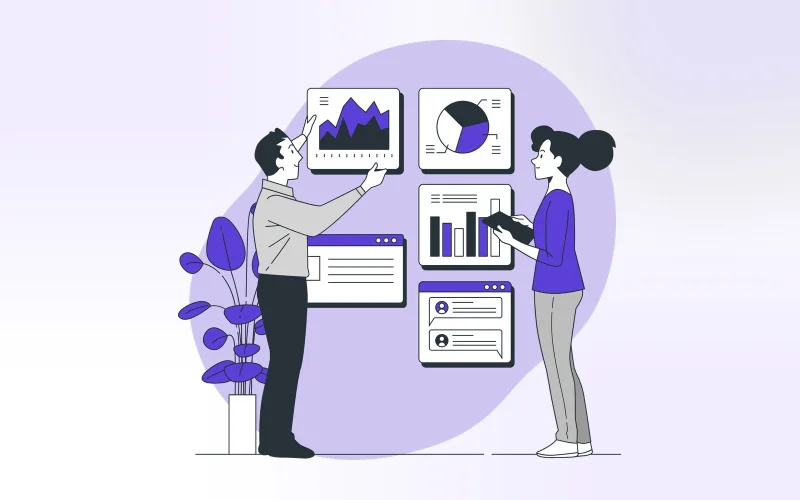
Spreadsheets: analysis and dashboards
Pivot tables, useful formulas and readable charts, on your own data.
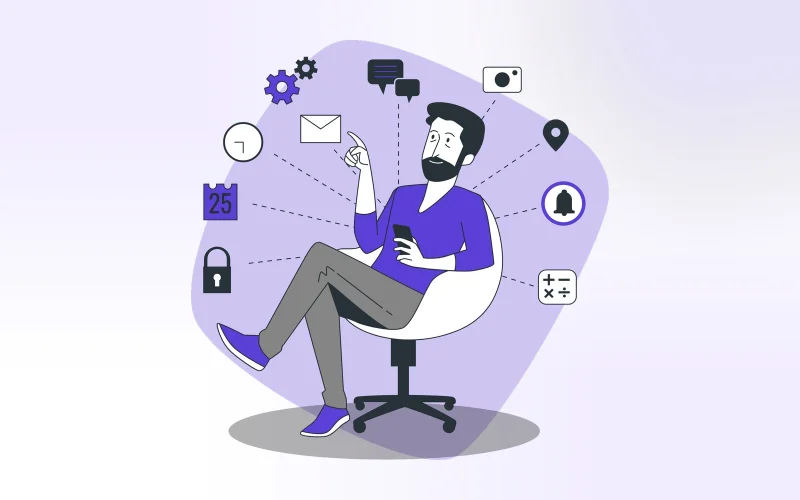
Working with collaborative tools
Messaging, shared documents, video calls: a team that finds its way in its tools.
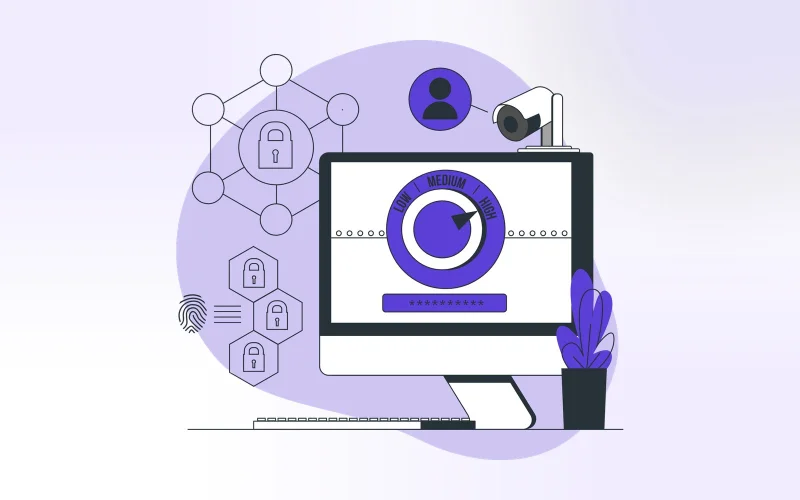
Cybersecurity good habits
Phishing, passwords, devices: what everyone can do from tomorrow.
Personal effectiveness
Your time, your voice, your ideas: the skills that serve in every job.
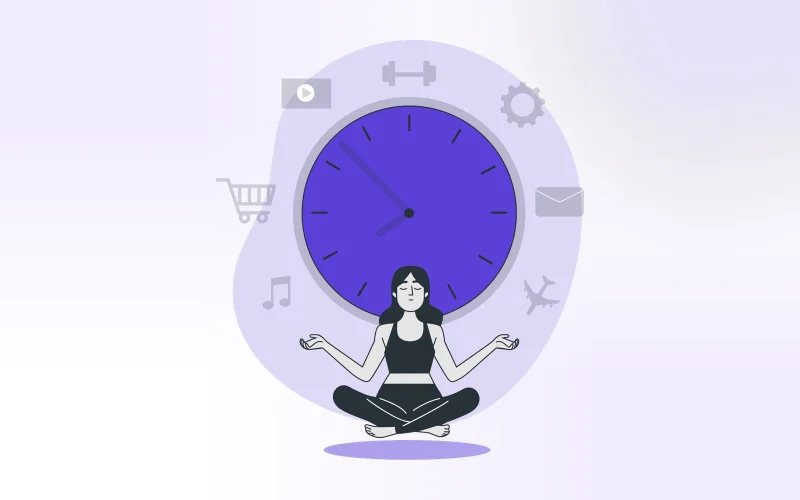
Managing time and priorities
Tell the urgent from the important, and end the day feeling you moved forward.
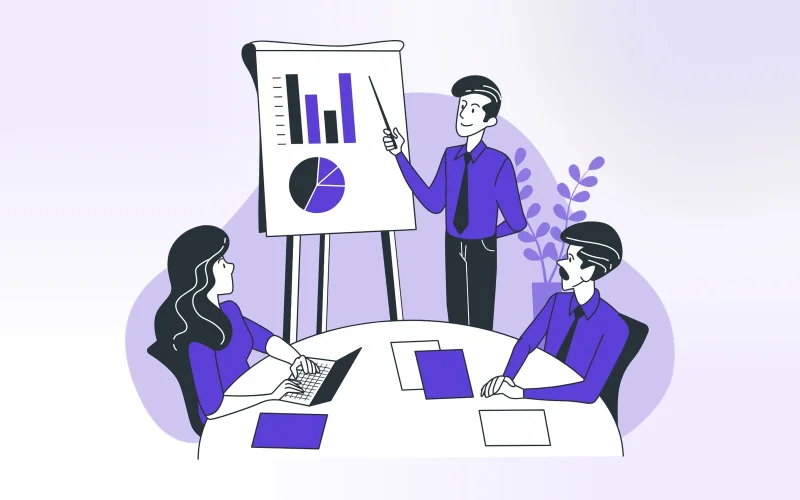
Public speaking
Structure a message, handle nerves, hold a room or a screen.
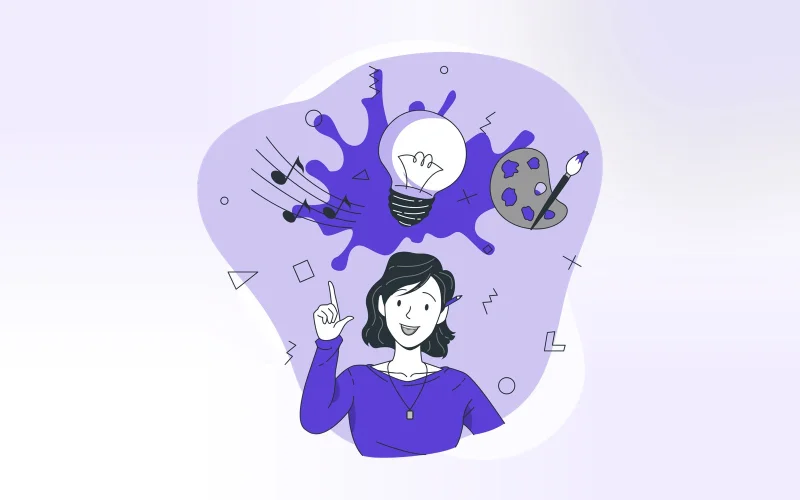
Creativity and problem solving
Step away from ready-made ideas and find, as a team, solutions that hold.
How a course works
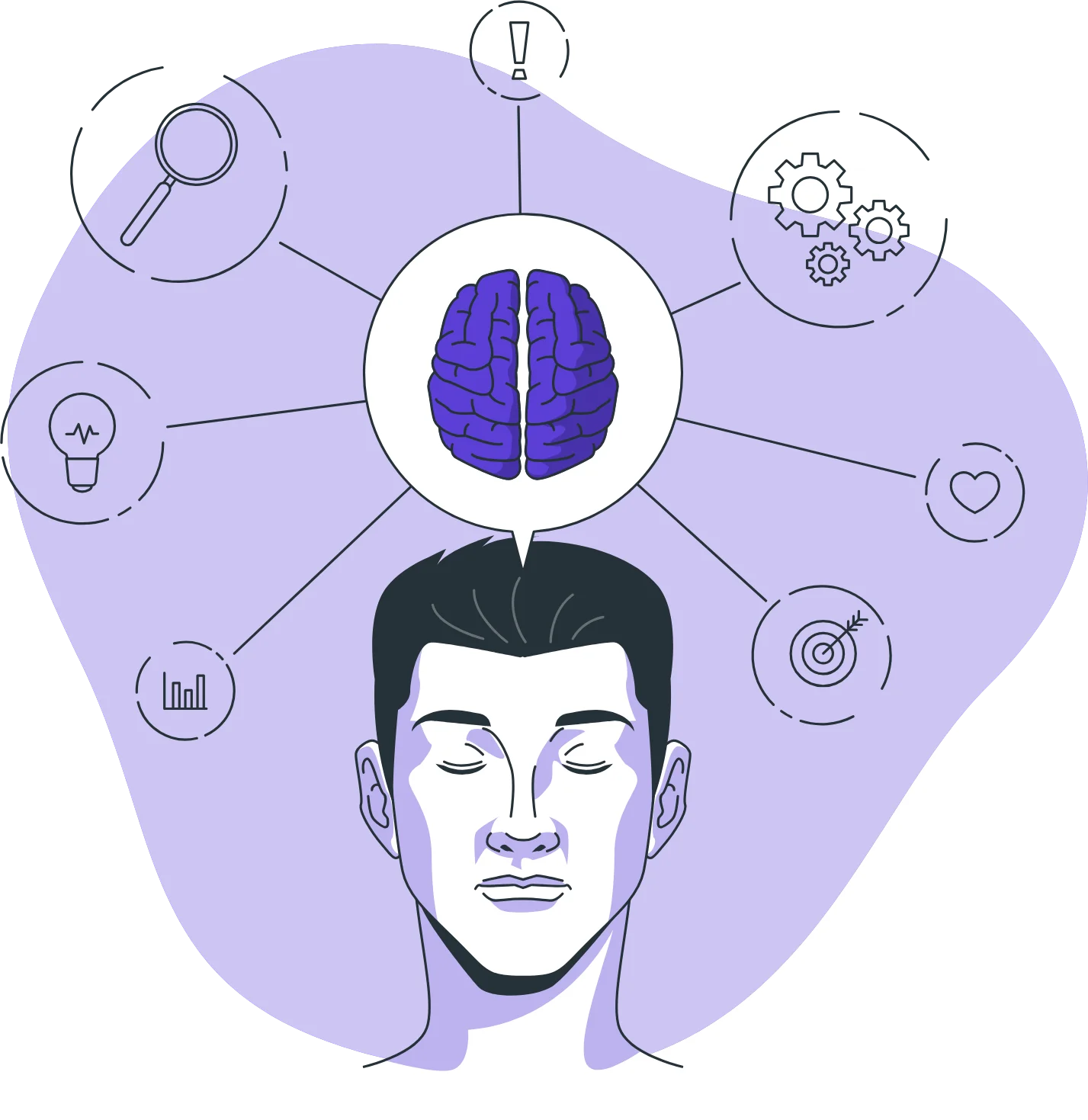
1. The need
A conversation to understand your goals and the group's level.
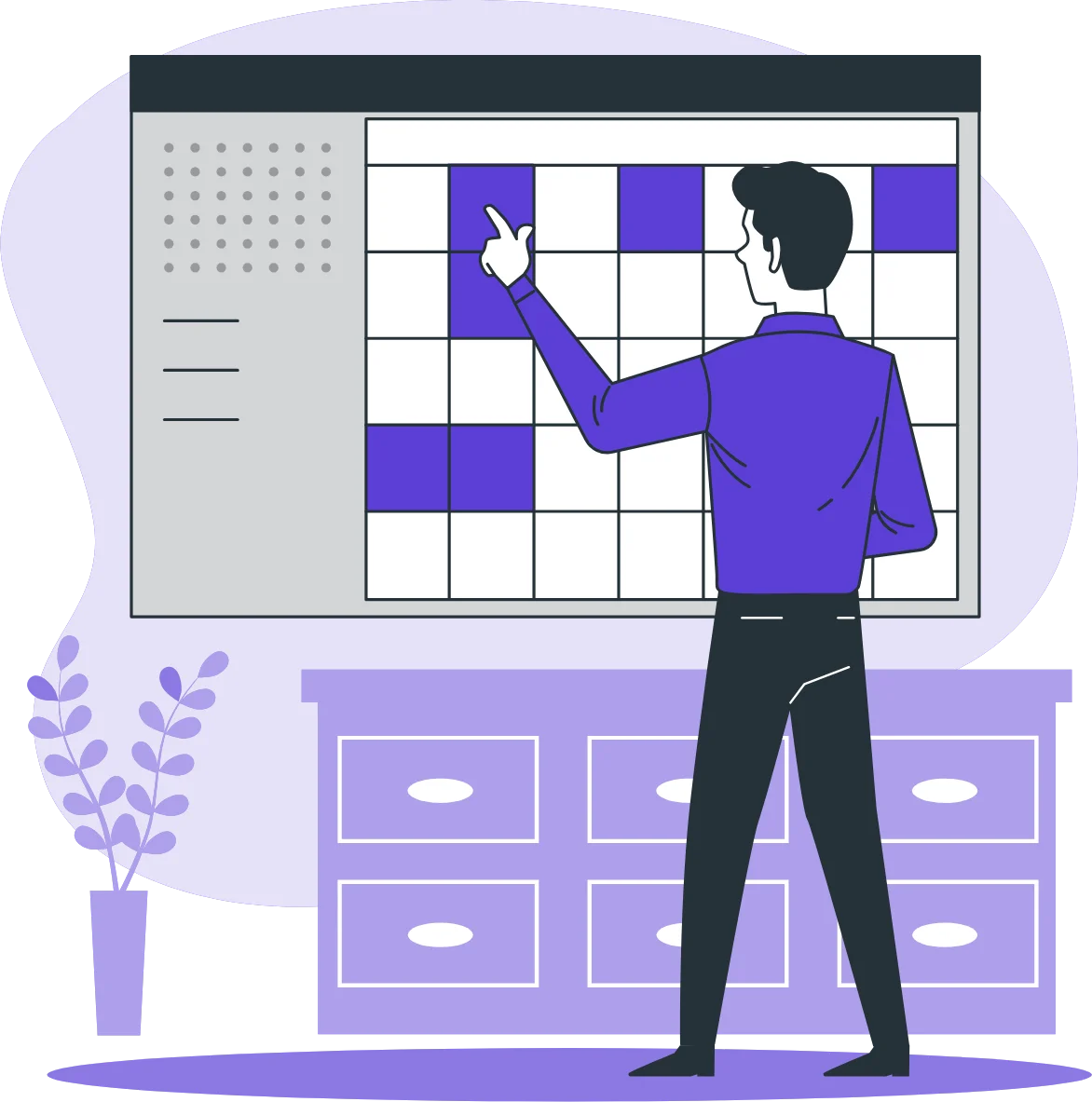
2. The programme
An adjusted programme, examples from your daily work.
3. The course
In a room or remote, always in small groups.
4. Assessment
What was learned, measured before and after.
5. Follow-up
A check-in a month later to make it stick.
A team to train?
Let's talk about your needs: a first thirty-minute call, no commitment.